Breastfeeding could prevent 800,000 child deaths
- Feb 1, 2017
- 2 min read
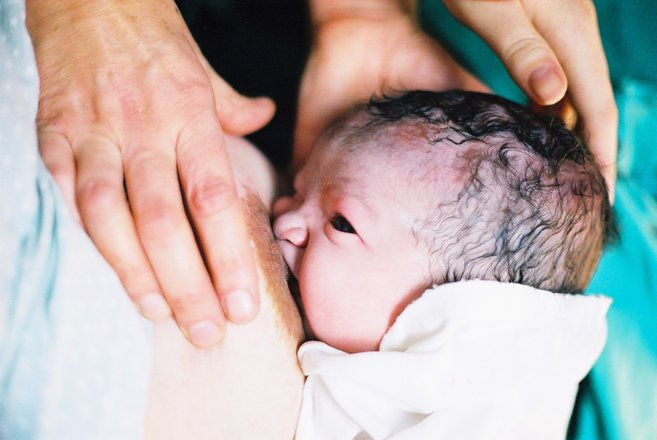
If almost every mother breastfed her children it could prevent more than 800,000 child deaths a year, yet governments are failing to promote and support breastfeeding, with rates remaining far below international targets, new research has found.
Poor government policies, lack of community support and an aggressive formula milk industry mean breastfeeding is not as widespread as it could be, according to a two-part Lancet breastfeeding series published on Thursday.
“The success or failure of breastfeeding should not be seen solely as the responsibility of the woman,” said Dr Nigel Rollins of the World HealthOrganisation (WHO), who co-authored the series. “Her ability to breastfeed is very much shaped by the support and the environment in which she lives. There is a broader responsibility of governments and society to support women through policies and programmes in the community.”
Campaign groups hope that the series – the most comprehensive review of breastfeeding research ever – will lead to long-lasting policy change.
“Breastfeeding is one of the most cost effective interventions for newborn health, but the support needed is too often lacking,” said Brigid McConville, director of the maternal health group White Ribbon Alliance.
“Lancet’s evidence will help citizen advocates push their governments to improve policies, and above all hold governments to account for their actions, making sure the policies lead to more support for new mothers and better health for their newborns.”
Governments can promote breastfeeding by raising awareness, improving maternity laws, and establishing nursing breaks and places to breastfeed in the workplace. Women who face stigma tend to stop breastfeeding earlier.
Even in countries where governments have actively encouraged breastfeeding, aggressive marketing by the formula milk industry – projected to reach $70bn by 2019 – far surpasses what governments spend to support breastfeeding.
Advertisements presenting formula milk as just as good as, if not better than, breast milk have – along with free samples – fuelled the industry in emerging markets. In Brazil, where hospitals, communities and the government all promote breastfeeding, the formula milk market is still projected to be worth $950bn within three years. The market is set to grow 7% in the Middle East and Africa, and 11% in Asia Pacific by 2019.
Promoting breast milk not only has social, medical and economic benefits, it is also environmentally friendly, the authors argue, as more than 4,000 litres of water are needed to produce a kilo of formula powder.
To read this article in its entirety, please click on the link below:

Comments